What you will learn?
Plan and prepare for conference calls using clear agendas, optimized technology, and strong logistics.
Facilitate virtual meetings that promote engagement, clarity, and productive communication.
Manage common challenges—including technical problems and participant behavior—while maintaining meeting flow.
Conduct effective follow-up to ensure decisions, action items, and next steps are clearly communicated.
Target Audience
Professionals who lead or participate in virtual meetings regularly.
Team leaders, supervisors, and project managers coordinating remote or hybrid teams.
Administrative and support staff responsible for scheduling and managing meetings.
Anyone seeking to improve their virtual communication and meeting facilitation skills.
About this course
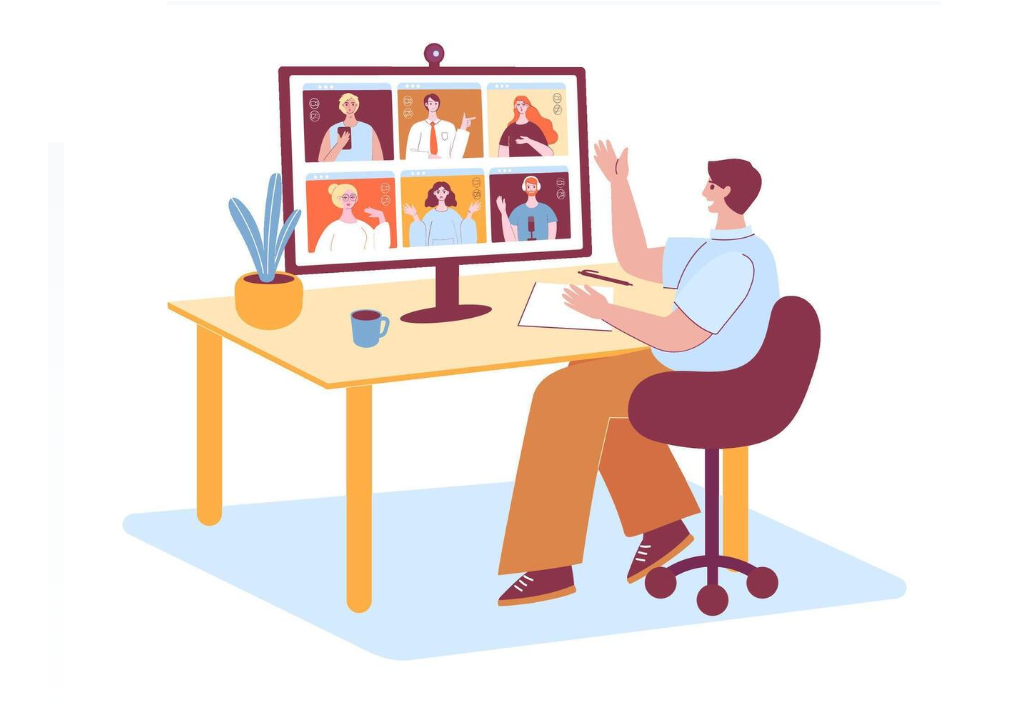
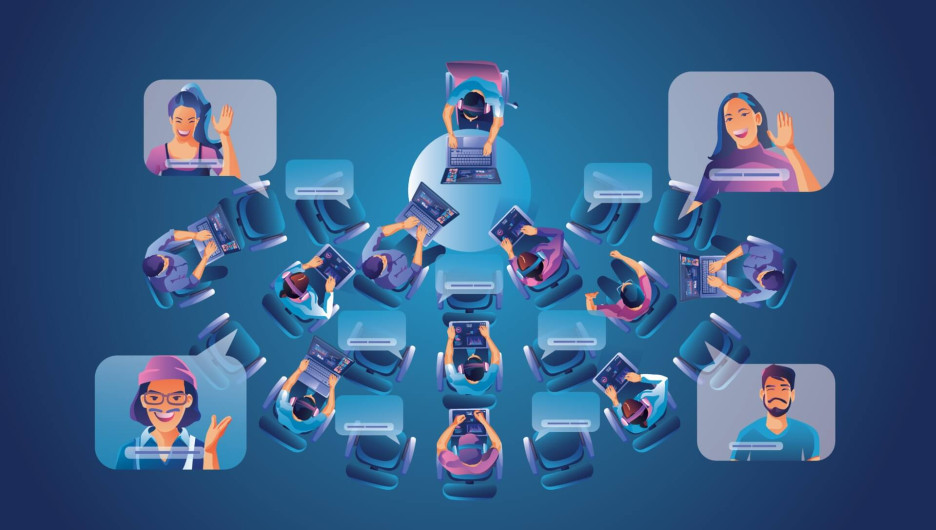
Effective Conference Calls is designed to help professionals lead and participate in virtual meetings with clarity, confidence, and efficiency. As remote and hybrid work environments become increasingly common, the ability to run well-structured, productive conference calls has never been more essential. This course provides a comprehensive guide to planning, facilitating, and following up on virtual meetings of any size.
Participants will begin by exploring the core challenges of conference calls—from technical glitches to unclear agendas—and learning how to avoid common pitfalls. The course then introduces best practices for preparation, including choosing the right meeting platform, optimizing audio and video settings, and sending purposeful invitations with all necessary materials.
Learners will develop techniques for effective facilitation, such as opening meetings with clear objectives, maintaining engagement, encouraging participation, and using chat and non-verbal cues strategically. Special focus is placed on communication skills that translate well to virtual environments, including active listening, concise speaking, and respectful turn-taking.
The course also addresses how to manage difficult situations, whether it’s handling technical issues, minimizing distractions, managing dominant voices, or keeping discussions on track. Participants will learn how to maintain professionalism and problem-solve in real time when unexpected challenges arise.
Finally, the course covers how to conduct strong follow-up: documenting decisions, assigning action items, communicating next steps, and ensuring accountability after the meeting ends. By the end of the course, learners will be equipped with practical strategies, templates, and confidence to lead highly effective conference calls that drive collaboration and results.
Requirements
Basic familiarity with virtual meeting platforms such as Zoom, Teams, or Webex.
General workplace communication experience is helpful but not required.
Related Courses